
Cleaning
15 Eco-friendly Cleaning Tips for a Greener, Healthier Home (Part 1)
Nov
Discover 15 eco-friendly cleaning tips to keep your home spotless while protecting your family’s health and the planet. Learn how to clean sustainably, save money, and live greener in 2025.
Why Eco-friendly Cleaning Matters
Eco-friendly cleaning is more than just a trend — it’s a lifestyle choice that supports both your health and the planet. Traditional cleaners often contain toxic chemicals that harm air quality, irritate skin, and pollute waterways. Switching to natural cleaning methods allows you to create a safe, chemical-free home while cutting waste and saving money. 
The Hidden Impact of Conventional Cleaning
Commercial cleaning products often contain volatile organic compounds (VOCs) that linger in the air and can cause allergies, asthma, and headaches. When washed down the drain, these chemicals contaminate soil and water sources. By choosing eco-friendly alternatives, you reduce your household’s environmental footprint and promote better indoor air quality.
Top Benefits of Green Cleaning
- Healthier Home: No harsh fumes or toxic residue.
- Lower Costs: Most DIY cleaners use inexpensive pantry staples.
- Cleaner Planet: Natural ingredients are biodegradable and reduce plastic use.
Essential Ingredients for DIY Cleaners
| Ingredient | Use | Benefit |
|---|---|---|
| Baking Soda | Scrubs and deodorizes | Gentle yet powerful cleaner |
| White Vinegar | Disinfects surfaces | Natural antimicrobial |
| Lemon Juice | Cuts grease, adds scent | Fresh and chemical-free |
| Castile Soap | Cleans dishes and floors | Plant-based and biodegradable |
| Essential Oils | Adds fragrance | Antibacterial properties |
 15 Proven Eco-friendly Cleaning Tips
1 DIY All-purpose Cleaner
Mix equal parts water and white vinegar with 10 drops of essential oil (like tea tree or lemon). Works great on countertops, windows, and tiles.
2 Swap Paper Towels for Microfiber Cloths
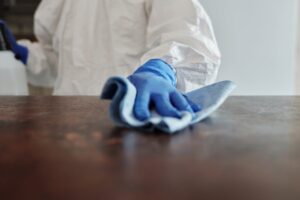
Microfiber cloths can be washed and reused hundreds of times, reducing paper waste and improving cleaning efficiency.
3 Reuse Old T-shirts as Rags
Cut up old shirts or towels for reusable cleaning cloths — no need to buy new materials.
4 Freshen Carpets Naturally
Sprinkle baking soda on your carpet, let sit for 15 minutes, then vacuum. It neutralizes odours without chemicals.
5 Use Plants to Purify Air
Houseplants like peace lilies and snake plants absorb toxins and boost indoor air quality naturally.
6 Switch to Refillable Glass Bottles
Replace plastic spray bottles with durable glass containers. They’re stylish, refillable, and eco-conscious.
7 Try Castile Soap for Dishes and Floors
A few drops of Castile soap in warm water create an effective cleaner for most surfaces.
8 Eliminate Odors with Lemon and Vinegar
Simmer lemon peels and vinegar on the stove to deodorize your kitchen and eliminate lingering smells.
9 Skip Disposable Wipes
Opt for washable bamboo wipes or reusable cleaning pads instead of throwaway options.
10 Wash Laundry the Green Way
Use cold water, eco-certified detergent, and avoid synthetic fabric softeners. They’re often petroleum-based.
11 Reduce Plastic Waste
Buy cleaning concentrates or tablets that dissolve in water.
12 Clean Mirrors with Vinegar and Water
Mix a 50/50 solution in a spray bottle. Wipe with a microfiber cloth for streak-free shine.
13 Tackle Grease with Natural Oils
Olive oil mixed with lemon juice can remove sticky residue from stainless steel or wooden surfaces.
14 Compost Organic Waste
Turn kitchen scraps and biodegradable materials into compost to reduce landfill waste.
15 Make Your Own Air Freshener
Combine distilled water, baking soda, and a few drops of lavender or citrus essential oil in a spray bottle for a non-toxic air refresher.
Common Green Cleaning Mistakes to Avoid 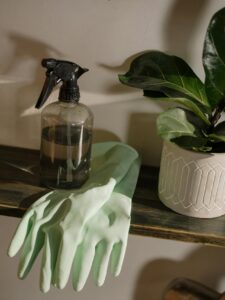
- Overusing vinegar — It’s acidic and can damage natural stone.
- Mixing ingredients incorrectly — Never combine vinegar and hydrogen peroxide; it creates toxic fumes.
FAQs About Eco-friendly Cleaning
1 Are eco-friendly cleaners effective?
Yes — when used correctly, they clean just as well as chemical cleaners, without side effects.
2 What’s the best beginner swap?
Start with a DIY vinegar-based spray. It’s versatile and easy to make.
3 Can I use essential oils in all cleaners?
Yes, but limit to a few drops — they’re potent and can irritate skin in large amounts.
4 Do green cleaners expire?
Homemade solutions typically last 1–2 weeks. Store in glass bottles, away from heat and light.
5 How can I involve my family?
Let kids help make cleaners and decorate reusable spray bottles. It makes sustainability fun!
Adopting eco-friendly cleaning tips isn’t just good for the planet — it’s good for your health, your wallet, and your peace of mind. A cleaner home doesn’t have to come at the Earth’s expense. By taking simple, mindful steps, you can transform everyday chores into eco-friendly acts of care.